Naj bodo odnosi spet super (odložite telefon)
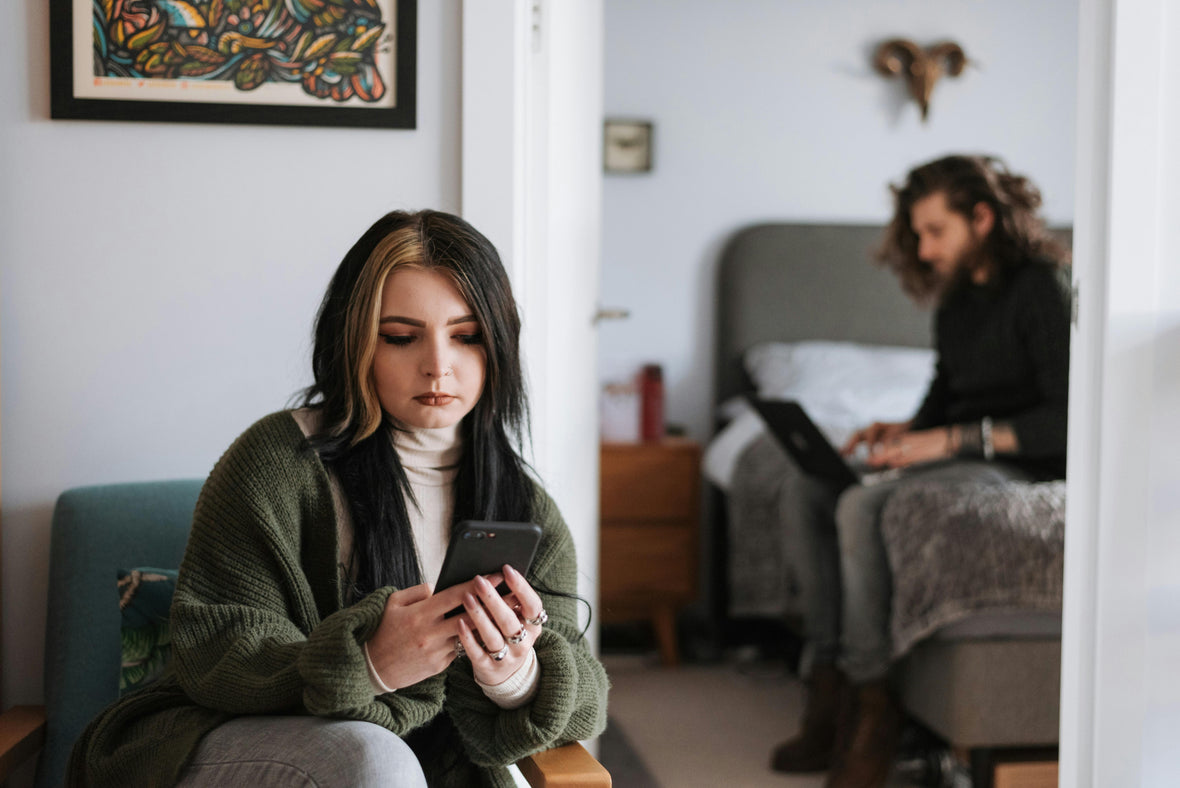
Bil je čas, ko je biti skupaj pomenilo dejansko biti skupaj. Pogovori so se odvijali brez prekinitev. Tišine niso bile takoj zapolnjene. Pozornost ni bila nenehno usmerjena drugam.
Ta čas ni izginil, ker bi se ljudje nehali zanimati drug za drugega. Izginil je, ker so se telefoni počasi, tiho vtihotapili v vsak skupen trenutek.
Ne dramatično. Ne zlonamerno. Samo dovolj, da se je spremenil občutek biti skupaj.
Problem niso telefoni – ampak razdeljena pozornost
Telefoni ne uničujejo odnosov, ker bi imeli tehnologijo raje kot ljudi. Vplivajo na odnose, ker je pozornost krhka.
Pogled na zaslon med pogovorom se zdi neškodljiv. Hitro brskanje med skupnim sedenjem se zdi normalno. Toda ko se pozornost večkrat razdeli, se nekaj subtilno spremeni. Pogovori postanejo krajši. Odgovori se upočasnijo. Očni stik zbledi. Prisotnost se razredči.
Nihče ne odide besno. Nihče ne obtožuje.
Povezava počasi izgublja svojo globino.
Zakaj je to slabše, kot priznavamo
Motnje s telefonom so še posebej škodljive, ker so družbeno sprejemljive. Nihče noče biti tisti, ki reče: "Ali lahko pospraviš telefon?" – še posebej, ko vsi počnejo isto.
Tako se jeza spremeni v tišino. Tišina se spremeni v oddaljenost.
Mnogi ljudje čutijo, da je nekaj narobe, vendar težko poimenujejo. Ne želijo pravil. Ne želijo prepirov. Samo želijo se počutiti, da so pomembnejši od vsega, kar se dogaja na zaslonu.
Pravila tega ne rešijo – skupni namen pa
Prepoved telefonov, določanje strogih pravil ali opozarjanje nekoga redko vodi do bližine. Pogosto vodi do obrambnega vedenja ali tihega upora.
Bolje deluje skupni namen.
Ko se vsi strinjajo – brez pritiska –, da si določeni trenutki zaslužijo polno pozornost, se vedenje naravno spremeni. Telefon preneha biti sovražnik. Preprosto preneha biti v središču.
Izziv je, kako ta namen enostavno uresničiti, še posebej, ko so navade avtomatske.
Zakaj so fizične meje pomembne
Navade se ne spremenijo, ker se tako odločimo. Spremenijo se, ko okolje podpira drugačno privzeto stanje.
Ko so telefoni na mizi, v žepih ali na dosegu roke, njihovo preverjanje ne zahteva razmišljanja. Ko imajo telefoni jasno mesto stran od interakcije, je prisotnost lažja.
Zato fizični znaki tako dobro delujejo. Ne zahtevajo discipline. Nežno usmerjajo vedenje.
Tudi prisotnost potrebuje okrepitev
Telefoni so zasvojljivi deloma zato, ker nas takoj nagradijo – z novostjo, stimulacijo in povratnimi informacijami. Če želimo, da ljudje pogosteje izberejo prisotnost, pomaga, če se prisotnost čuti priznana.
Tu se Humanodoro naravno vklapa v skupne trenutke. Podloga ustvarja vidno, nevtralno mesto za telefone med skupnim časom. Aplikacija tiho nagrajuje čas, preživet brez telefona, s čimer prisotnost postane nekaj otipljivega, ne pa nevidnega.
Nihče ni prisiljen. Nič ni zaklenjeno.
Izbira ostaja človeška.
Odnosi niso pokvarjeni – so samo preobremenjeni
Večina odnosov ne potrebuje popravljanja. Potrebujejo prostor.
Prostor za pozornost.
Prostor za poslušanje.
Prostor za trenutke, ki jih ne prekine nekaj drugega, kar zahteva nujnost.
Pos praviti telefon ne pomeni zavrniti tehnologije. Pomeni izbrati, kdaj spada v prostor – in kdaj so ljudje pred vami pomembnejši.
Ponovno naredite odnose odlične, en trenutek naenkrat
Ne potrebujete digitalnega razstrupljanja.
Ne potrebujete strogih pravil.
Ni vam treba biti "boljši" pri samokontroli.
Včasih je dovolj majhen skupen ritual: telefoni dol, ljudje gor.
Če vas zanima, kakšen bi bil ta občutek, Humanodoro ponuja preprost začetek. Fizična meja. Nežna nagrada. In opomin, da se najboljši trenutki v življenju ne zgodijo na zaslonu.
Odložite telefon.
Vaši odnosi čakajo.