Why Doomscrolling Is So Hard to Stop (And Why It’s Not You)
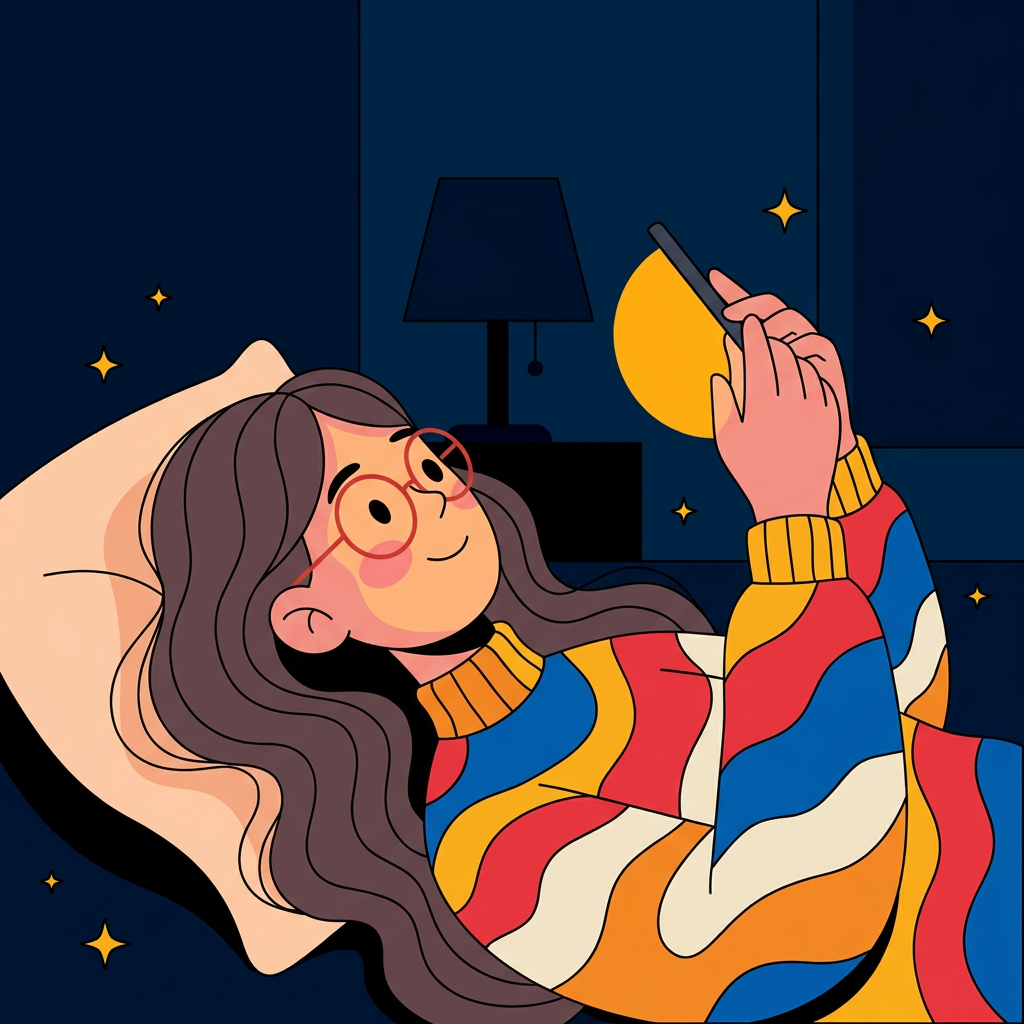
If you’ve ever picked up your phone at night “just to check something” and looked up an hour later wondering where the time went, you’re not alone. Doomscrolling is one of the most common frustrations people have with their phones — and also one of the hardest habits to break.
Many people assume the problem is a lack of discipline. That if they were just more motivated or more mindful, they would stop. In reality, doomscrolling has very little to do with personal failure and a lot to do with how our brains respond to modern technology.
Doomscrolling is a design problem, not a character flaw
Our brains are wired to seek novelty, pay attention to potential threats, and avoid unnecessary effort. This wiring kept humans alive for thousands of years. Today, it makes endless feeds almost impossible to resist.
Social media, news apps, and video platforms are designed around this exact wiring. Each swipe offers something new. Each headline suggests something important or alarming. And because scrolling requires almost no effort, your brain stays engaged without ever needing to make a clear decision to continue.
What feels like “mindless scrolling” is actually your brain responding normally to an environment that has been carefully optimized to hold attention.
That’s why doomscrolling often happens when you’re tired, stressed, or emotionally drained. Your brain isn’t looking for productivity at that point — it’s looking for relief. Scrolling offers an easy, familiar way to get it.
Why willpower rarely works, especially at night
Most advice around screen time focuses on willpower: setting strict rules, forcing limits, or simply telling yourself to stop. The problem is that willpower is weakest at the exact moments doomscrolling is strongest.
At the end of the day, your mental energy is already low. You’ve made decisions, managed emotions, and handled responsibilities. Asking your brain to suddenly exert strong self-control in that state is unrealistic.
When willpower fails, people tend to respond with guilt or frustration. That emotional pressure often makes the habit worse, not better. Doomscrolling becomes something you do to escape the very stress created by trying to stop it.

The real trigger is proximity, not intention
One of the biggest reasons doomscrolling is so hard to stop is simply that your phone is always nearby. When it’s on your nightstand, in your hand, or within arm’s reach, there’s very little friction between impulse and action.
This is also why many screen-time apps fall short. They live on the same device they’re meant to regulate. In moments of fatigue or boredom, it’s easy to ignore reminders, override limits, or disable features altogether.
Long-term change usually doesn’t come from stronger intentions. It comes from changing what feels easiest in the moment.
Why physical boundaries make a difference
Behavioral research consistently shows that small environmental changes can have outsized effects on habits. When you create a physical boundary, you slow down automatic behavior just enough for awareness to return.
Humanodoro is built around this idea. Instead of trying to control your phone through more software, it introduces a simple physical step: placing your phone on the Humanodoro Pad.
That small action creates a pause. Picking up your phone becomes a conscious choice rather than a reflex. Over time, that pause is often enough to break the doomscrolling loop before it starts.
Motivation matters too — and that’s where the app comes in
Of course, reducing doomscrolling isn’t just about removing temptation. The habit exists because it gives your brain something in return. If you take that away without offering an alternative, the change won’t last.
That’s why the Humanodoro app is intentionally gamified. Instead of rewarding you for scrolling, it rewards you for not using your phone. When your phone stays on the Pad, you earn points, build streaks, and see visible progress over time.
The reward isn’t meant to pressure you or turn focus into a competition. It’s there to give your brain positive feedback for a behavior that’s usually invisible. Staying off your phone finally feels like something that “counts.”
A gentler way to change a hard habit
Humanodoro doesn’t block apps, lock your phone, or punish you for picking it up. You’re always in control. If you need your phone, you take it. No guilt, no failure.
What changes is the default. Over time, many people notice that they reach for their phone less often, especially in the evening. Not because they’re forcing themselves, but because the habit slowly loses its grip.
Doomscrolling fades when it’s no longer the easiest option.
Final thoughts
If stopping doomscrolling feels harder than it should, that’s because you’re trying to solve a design problem with self-control. Your brain is responding exactly as it was designed to in an environment designed to capture attention.
Changing that environment — even in a small way — can make a meaningful difference.
Humanodoro doesn’t promise to fix your relationship with your phone overnight. What it offers is something more realistic: a simple physical boundary, a supportive reward system, and a calmer way to take your evenings back.
And for many people, that’s enough to finally loosen the scroll.
Humanodoro offers a a physical place for your phone, paired with a gamified app that rewards you for staying off it instead of pulling you back in. If you’re curious what a calmer evening could feel like, you can explore the Humanodoro Pad and see how it fits into your routine by visiting our store.